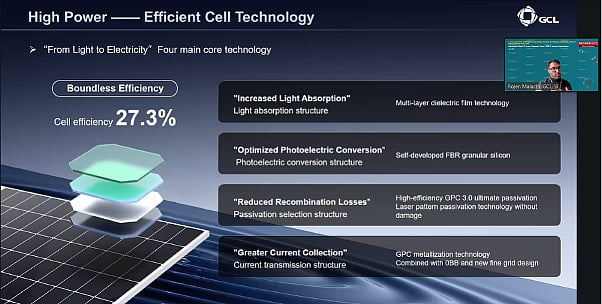



GCL presented its latest high-efficiency module portfolio at RE+ Mexico 2026 and Solar Pakistan 2026, highlighting a dual-track technology roadmap based on N-type TOPCon and Back Contact (BC) architectures. The portfolio is positioned to address differentiated market demands in efficiency, system cost, and application scenarios across utility-scale and distributed generation segments.
RE+ Mexico 2026: Introduction of BC Module for High-Efficiency Applications
At RE+ Mexico 2026, GCL introduced its Back Contact (BC) module, GCL-NR12R/66GDF, expanding its high-efficiency product portfolio alongside its established N-type TOPCon lineup.
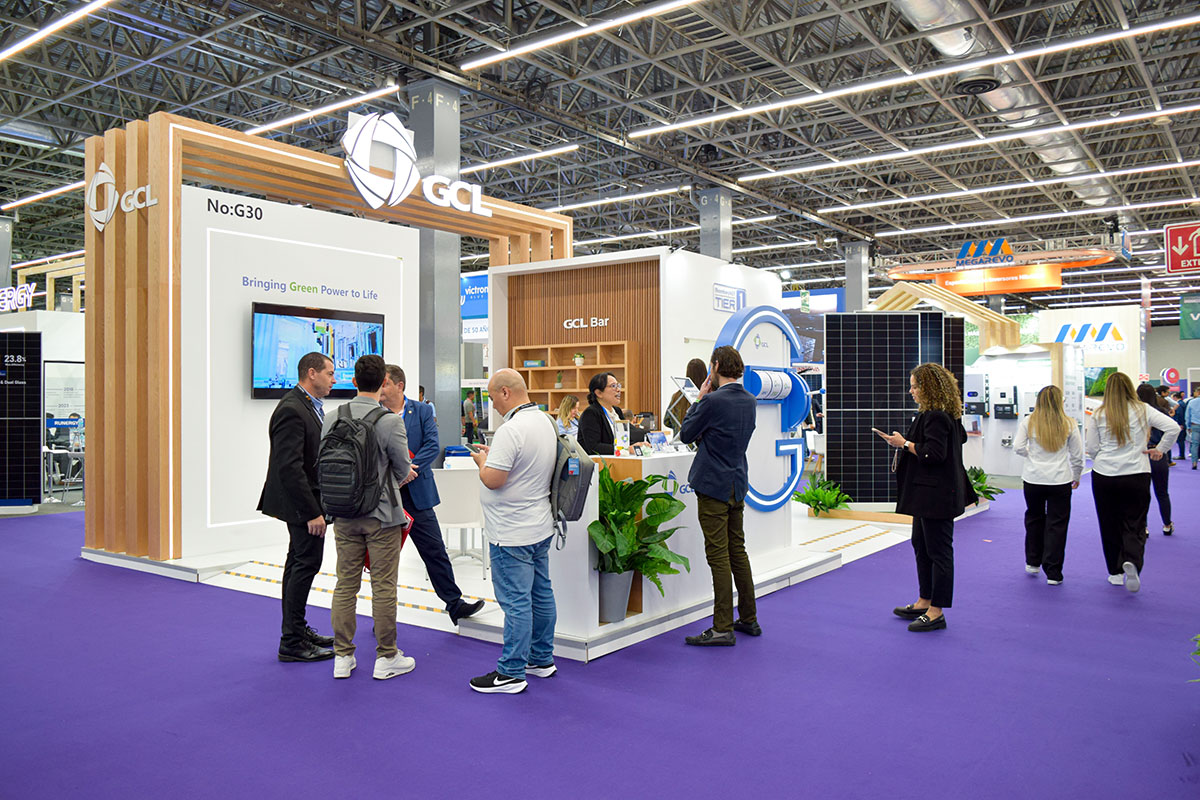
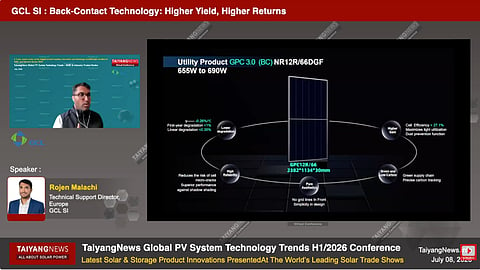
The BC module adopts a rear-contact cell architecture, relocating both positive and negative electrodes to the back side of the cell. This design eliminates front-side metallization shading and reduces front-side optical losses, improving front surface light absorption and current generation.
The GCL-NR12R/66GDF features a busbar-free front appearance enabled by full rear-side interconnection, supporting both aesthetic integration and high-efficiency power generation in distributed applications.
Key performance parameters:
l Module efficiency: up to 24.43%
l Output power range: 630–660 W
The module is designed for premium distributed generation and commercial rooftop applications where both energy yield and visual integration are critical.
N-Type TOPCon Platform: Mainstream High-Efficiency Product Line
GCL also showcased its N-type TOPCon module portfolio, which serves as the company’s mainstream high-efficiency platform for utility-scale and commercial & industrial applications.
Based on TOPCon technology, the modules are designed to reduce carrier recombination and improve long-term energy yield stability.
GCL positions its TOPCon modules as a mature, cost-effective solution for stable energy yield across diverse operating conditions:
l Low degradation performance, ensuring reliable power output over the module lifetime
l High bifaciality, enabling enhanced rear-side power generation in utility-scale installations
l Optimized temperature coefficient, supporting stable performance in high-temperature environments
l Enhanced low-light response, ensuring consistent energy yield under diffuse irradiation conditions
This performance profile supports reliable energy yield across diverse climatic and installation conditions, particularly in utility-scale and C&I applications where long-term predictability is critical.
Solar Pakistan 2026: Focus on High-Temperature Utility Applications
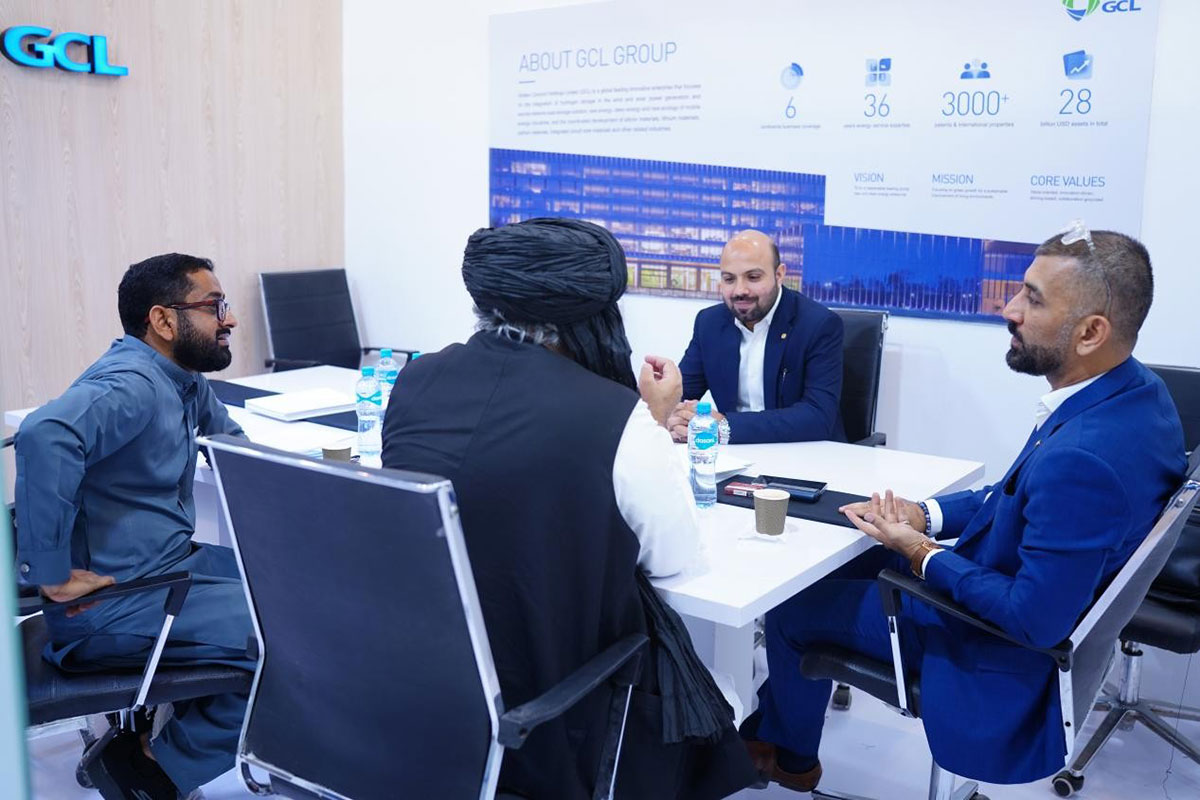
At Solar Pakistan 2026, GCL highlighted its N-type TOPCon module series, including NT12R/66GDF, NT12/66GDF, and NT10/72GDF, targeting utility-scale and distributed generation projects in high-temperature and high-irradiance environments.
The 66-cell modules provide a flexible configuration for commercial rooftops and distributed systems, while the 72-cell format offers a mature utility-scale format with proven system compatibility and deployment track record.
Regional Application Strategy
GCL’s product positioning across the two markets reflects differing project economics and application structures:
l Pakistan: The market is dominated by utility-scale deployment under strong LCOE pressure and high-temperature operating conditions. In this context, N-type TOPCon modules are positioned as a cost-effective and reliable solution, offering stable energy yield andreliable performance in large-scale projects.
l Mexico: A growing share of distributed generation, particularly in commercial and industrial segments, is driving demand for higher-efficiency modules where space constraints and system performance are critical. GCL is therefore introducing BC modules for premium applications, while maintaining TOPCon offerings for utility-scale projects.
Dual-Track Technology Development
GCL continues to advance a dual-technology roadmap combining N-type TOPCon and Back Contact architectures.
l TOPCon modules: Positioned as a mature solution balancing cost, reliability, and long-term energy yield in large-scale deployment.
l BC modules: Targeting higher conversion efficiency through rear-contact design and reduced optical losses, supporting differentiation in premium market segments.


.png)